Outdoor illumination selections tend to look simple on a display and remarkably complicated on a real house. A strand that really feels relaxing in an item picture can disappear against dark block. A lively color-changing arrangement that looks interesting in a display room can feel loud on a silent colonial exterior. Most house owners are not really picking between "old" and "brand-new" lights. They are picking what sort of state of mind they desire their home to job, how much versatility they need, and how much focus they want the lighting itself to demand.
That is why the dispute in between classic warm soft lights and bright color LEDs is worth decreasing for. The most effective solution is rarely concerning which one is much better in the abstract. It has to do with style, community context, everyday use, vacations, maintenance expectations, and individual preference. I have seen homes transformed magnificently by both methods, and I have additionally seen costly installments really feel wrong since the lighting style fought the personality of the home.
If you are taking into consideration Permanent LED Lighting Installation, or thinking of changing seasonal strings with Irreversible Additional resources Vacation Lighting, the decision gets even more important. A momentary mistake comes down in January. A permanent system remains noticeable year-round and becomes part of your home's identity.
What classic warm soft lights really do well
Classic Cozy Soft Lights have staying power for a reason. They flatter homes. They create deepness without swiping the entire scene. The color temperature level, usually in the cozy white range, gives off a candlelit or incandescent feel that most people instinctively check out as welcoming.
On standard homes, specifically brick colonials, craftsman cottages, farmhouses, and cape cods, cozy light often seems like it belonged there from the start. It describes rooflines delicately, softens sharp fascia edges, and makes landscaping feel more total after dark. Even when the component innovation is modern-day, the effect nods to the type of vacation lighting individuals remember from childhood years. That experience matters greater than many customers realize.
Warm white also has a tendency to be forgiving. If your roofline has several tops, dormers, or unequal elevations, softer lights can smooth visual changes that intense saturated shades often tend to exaggerate. The exact same holds true if your residence has blended materials like stone, stucco, and exterior siding. A cozy wash can unify those surface areas instead of making every appearance compete for attention.
There is also the issue of daily usage. Several home owners originally look for vacation effect, then recognize their irreversible lights will spend most of the year doing other jobs. They desire a refined night radiance in summertime, a refined look for supper celebrations, or enough accent lighting to make the house really feel occupied when they are away. Warm white manages those minutes with dignity. It reads as architectural illumination, not occasion lighting.
That does not indicate cozy white is constantly understated. On the appropriate residence, it can look crisp, upscale, and pricey. A tidy roofline traced in soft warm LEDs can raise curb charm in a manner that intense colors frequently can not, just due to the fact that it feels deliberate instead of novelty-driven.
Where bright color LEDs have a real advantage
Bright shade LEDs bring flexibility that cozy white alone can not match. If you desire one system to take care of Xmas, Halloween, birthdays, college graduation parties, video game days, and area events, color-changing LEDs are hard to beat. With a top quality controller and thoughtful shows, you can change your entire outside look in seconds.
That flexibility is specifically appealing for families who enhance usually. As opposed to climbing up ladders and exchanging bulbs or hanging brand-new hairs for each event, they tap a phone and change scenes. Red and environment-friendly in December, orange and purple in October, patriotic combinations in July, institution colors for an elderly night, pink or blue for an infant news. The convenience is not unimportant. As soon as homeowners experience it, several never ever want to go back to unpacking containers of seasonal lights.
Bright shade LEDs can additionally fit more modern homes surprisingly well. On contemporary elevations with dark trim, metal roofs, sharp geometric lines, and large windows, saturated shade can really feel clean and deliberate. The house itself currently has aesthetic boldness, so the illumination can bring stronger comparison without looking out of place.
There is also a useful side to color that individuals often ignore. Intense LEDs are extra visible from a distance. If your home rests deep off the street, on a large great deal, or behind mature trees, solid color result might read much better than warm white. In neighborhoods where outside display screens are part of the society, bright programmable lights can help your home get involved as opposed to fade right into the background.
Still, this is where restriction matters. A capable lighting system does not indicate every night should appear like an amusement park. The home owners who stay happiest with brilliant color LEDs are normally the ones that use them uniquely. They take pleasure in the bold settings for special moments and maintain a calmer default for the rest of the year.
The residence itself ought to obtain a vote
A lighting design need to sustain the design, not subdue it. This sounds apparent, but it obtains shed once people start shopping by function list.
Traditional design typically responds ideal to warmth. If the home has shutters, divided-light windows, natural stone, cedar accents, or a front veranda with columns, warm soft illumination generally improves those details as opposed to flattening them. The eye notifications the shape of your home initially, then the lights.
Homes with simple rooflines can go regardless. A cattle ranch, for example, can look beautifully understated in cozy white or clean and joyful in shade, depending on landscaping and outside finish. The exact same holds true for rural two-story builds with neutral exterior siding and black trim. These homes are adaptable canvases.
Contemporary residences are where brilliant shade LEDs typically make the toughest situation. The design is already visuals. Straight light can underscore roof sides, parapets, and modern-day entrances with precision. Yet even there, a permanent system should consist of white tones. A home that can only talk in saturated shade ends up being tiring over time.
The roofline matters as well. Facility roofing geometry can make intense shade look fragmented if each section reads as a separate aesthetic signal. Cozy white tends to sew those segments together. On the other hand, a simple gable or lengthy straight fascia can handle more powerful color with much less chaos.
I often tell property owners to visualize the lights on a random Tuesday in March. Not Xmas Eve, not Halloween weekend break, simply an average night. If they can envision the house looking good because moment, they are more detailed to the best choice.
Mood is not a little detail
People take too lightly exactly how deeply lighting affects feeling. Shade temperature level and strength change the entire social message of a home.
Warm soft light recommends calmness, friendliness, and durability. It claims your house is cared for. It feels resolved. You see this most plainly in areas where people stroll in the evening. A warm-lit residence has a tendency to add to the street instead of carry out for it.
Bright color lighting communicates power. At its ideal, it feels celebratory and expressive. It can be really fun, especially for households with kids or home owners who delight often. At its worst, it can really feel troubled. If every evening is high-saturation blue, red, or eco-friendly, the eye never ever gets a location to relax.
This is not just an issue of choice. It impacts exactly how commonly you will really use the system. Property owners that assume they want maximum brightness sometimes find they just enjoy it for brief bursts. After a couple of weeks, they begin calling things down. That is one reason a lot of costs permanent systems are inevitably readied to warm white or really soft pastel scenes the majority of the year, even when they are totally efficient in generating vibrant color.
Brightness, glow, and why setup top quality matters so much
A typical blunder is judging a lighting style without separating it from installation top quality. Poor positioning can make any kind of light look negative. Warm white can appear weak or patchy if spacing is inconsistent. Brilliant shade LEDs can look severe if the diodes are exposed directly to the road as opposed to put into a soffit or track developed to conceal them.
With Long-term LED Lights Installation, the visual outcome depends on greater than bulb color. Spacing, beam angle, mounting position, controller top quality, and dimming ability all matter. A brilliant system with proper dimming can offer you both lively holiday scenes and stylish low-level every night lighting. An inexpensive system with minimal control typically leaves you selecting between too bright and off.
If your home encounters next-door neighbors at close range, glow ought to be part of the discussion from the start. Saturated LEDs aimed badly can reflect off home windows, bounce off light-colored exterior siding, or produce unpleasant hotspots. Warm soft lights are not immune to this, yet they are generally less complicated to soften.
A well-designed long-term system ought to disappear throughout the day as long as feasible. Tracks needs to match trim or fascia. Circuitry should be hidden. Placing must respect roofing sides and drainage courses. The cleanest work are the ones you hardly see till evening.
Cost is not only about the ahead of time number
When people compare timeless cozy strings to programmable LEDs, they typically frame it as price versus high-end. The real world is more complicated.
Traditional seasonal lights can be less costly at the factor of acquisition, however they additionally include reoccuring labor, storage space, substitute bulbs, expansion cable administration, and the yearly ritual of hanging and eliminating them. For some families, that initiative is part of the period. For others, it ends up being the reason they quit embellishing at all.
Permanent Holiday Lighting set you back even more ahead of time, especially if expertly installed, however they shift the business economics with time. You are paying for framework, resilience, comfort, and control. If you currently spend on seasonal installment yearly, a long-term system may make economic sense earlier than anticipated. If you generally throw up a few affordable strings on your own and enjoy doing it, the payback is less obvious.
There is likewise a resale and curb appeal angle, though it needs to not be overemphasized. A tasteful irreversible system can make a home feel extra finished and much easier to keep. A garish or badly installed one can do the opposite. Buyers respond to the effect, not simply the function list.
How communities shape what works
Lighting does not exist in a vacuum cleaner. The very same setup can feel best in one community and out of step in another.
On wooded great deals, warm soft lights typically looks particularly solid due to the fact that it matches natural surroundings. Versus fully grown trees and darker histories, the house shines rather than flashing. In thick subdivisions where vacation participation is high, brighter colors might really feel a lot more in the house. In high end neighborhoods with very carefully maintained outsides and solid architectural character, nuance usually wins more admiration than intensity.
Homeowners organizations can additionally affect the decision. Some have regulations concerning visibility, shade usage, or how irreversible fixtures might be mounted. Even where there are no formal constraints, casual community standards issue. If every home nearby uses restrained white accent lights, a strongly intense rainbow establishing every weekend break may not land the method you hope.
That stated, there is no need to flatten your individuality to match everyone else. The better technique is variety. An excellent system allows you celebrate when you want and assimilate when you prefer.
A functional method to choose in between the two
If you are torn, do not begin with product sales brochures. Start with exactly how you live.
Ask on your own a few uncomplicated concerns:
Do you want your home to feel classy most evenings, or festive most nights? Will you genuinely make use of shade scenes often, or a handful of days each year? Is your home's design conventional, transitional, or modern? Are close next-door neighbors most likely to see the lights head-on? Do you want the system generally for vacations, or for year-round visual appeal?Those concerns usually make clear the response rapidly. A house owner that values ageless visual charm, refined night atmosphere, and wide architectural compatibility is normally happiest with Classic Cozy Soft Lights or a color-capable system that defaults to warm white. A homeowner that enjoys seasonal expression, captivates regularly, and desires one arrangement for numerous occasions will likely appreciate bright color LEDs, supplied the system also dims well and consists of stylish white settings.
The middle ground that serves most homes best
The smartest choice for numerous households is not purely one camp or the various other. It is a top quality irreversible system with the ability of intense colors, used with technique and set around cozy white as the baseline.
That crossbreed technique year round permanent led lighting functions due to the fact that it shows how individuals actually live. They want a beautiful everyday look, but they additionally desire the enjoyable alternative available. The trick is making certain the permanent daytime look is tidy and the nighttime default is livable.
Here is where many expert installers steer experienced customers:
|Priority|Best in shape||-- |--|| Timeless aesthetic allure|Warm white emphasis|| Frequent vacation modifications|Color-capable LEDs|| Conventional design|Cozy white, low glow|| Modern style|Color-capable, very carefully programmed|| Day-to-day usage all year|Dimmable warm or tunable white standard|
A tunable or programmable system can link the gap if it has adequate control. Warm white for the majority of nights, richer brownish-yellow for fall, crisp amazing white for certain winter months looks, and vivid holiday color when the calendar requires it. The value lies in having options without really feeling bound to make use of all of them all the time.
Mistakes property owners regret
The remorses are incredibly consistent, and they are hardly ever regarding selecting LEDs versus traditional style in the abstract. They originate from mismatch.
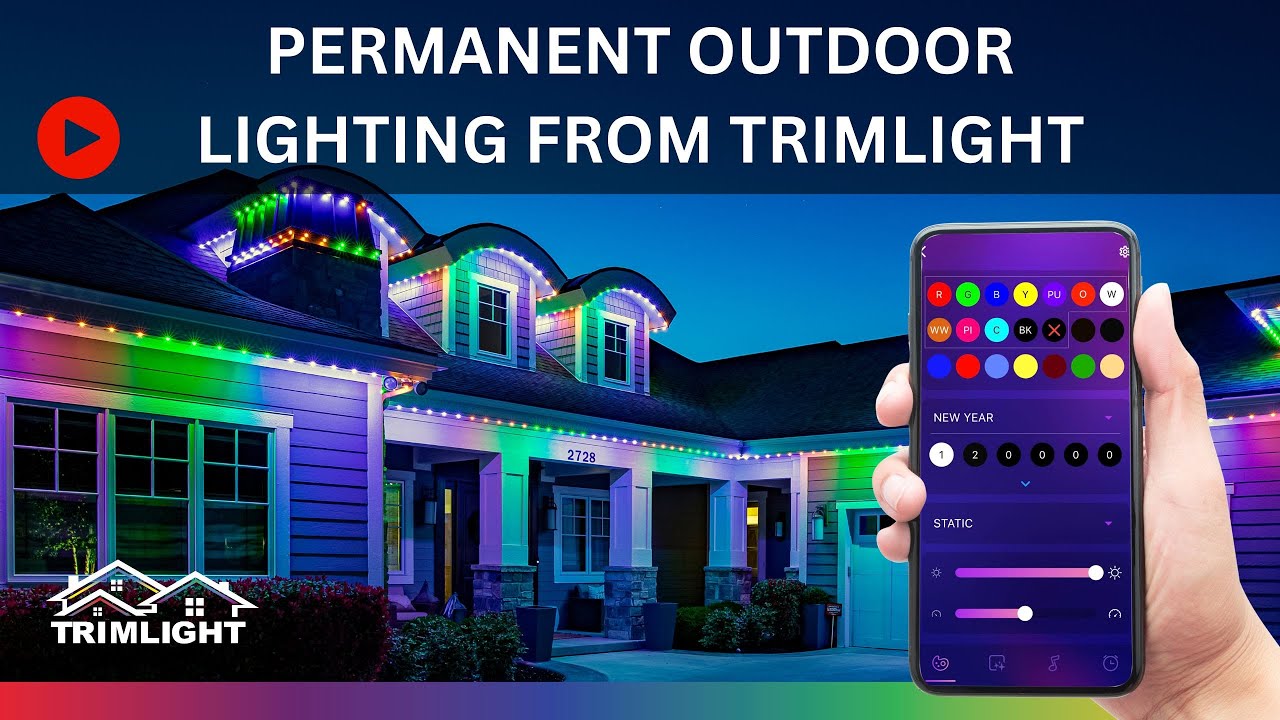
Some homeowners select bright shade solely because the app looked interesting, then discover they mostly want a tranquil nightly glow. Others choose cozy white because it really feels risk-free, after that wish they had extra flexibility once birthday celebrations, group occasions, and holidays roll around. A couple of mount visible equipment that interferes with the roofline in daytime, which troubles them much more than the nighttime effect pleases them.
The most common regret, however, is overshooting brightness. Outside lights has a method of escalating during shopping. On install day, brighter appears better. A month later, individuals desire lowering, softer scenes, and less glow spilling right into room home windows. It is a lot easier to boost intensity on special events than to cope with a system that always feels aggressive.
Another blunder is falling short to test shades versus the actual home outside. Red brick can misshape specific tones. Beige house siding can make cozy whites review yellow. Deep charcoal outsides can swallow low-output settings. Product examples matter since homes are not neutral backdrops.
What fits your home best
If your home leans typical, if you care a lot of concerning visual allure, and if you desire lighting that looks excellent far beyond the holidays, classic cozy soft lights are the safer and commonly much more stunning selection. They age well, flatter a vast array of materials, and produce the kind of welcome most house owners never ever tire of.
If your family celebrates usually, appreciates altering scenes, and desires a lights system that can pivot from downplayed to playful, brilliant color LEDs use genuine advantages. The secret is picking a system with solid dimming control and using it with a little bit of restraint.
For many homes, the best response is a long-term setup that can do both, with warm soft light as the daily foundation and shade reserved for minutes that deserve it. That provides you the polish of building lights and the adaptability of Irreversible Vacation Lights, without compeling your home right into one state of mind every evening of the year.
A house does not need to scream to feel unique. It simply needs lighting that matches its character, sustains the way you live, and still looks right when the uniqueness wears away. When that balance is right, the lights stop feeling like a decor and start feeling like part of the home.